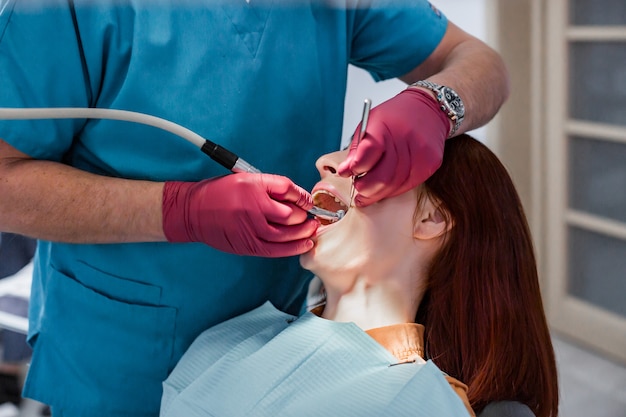
Bad breath can continue even after you brush your teeth twice a day. This may happen when food particles, plaque, or bacteria remain in areas your toothbrush cannot reach easily. If you are looking for a dentist in SW Edmonton, understanding the possible causes can help you decide what to do next. Guided Biofilm Therapy in SW Edmonton is a professional cleaning option that helps remove plaque and biofilm from teeth and along the gumline.
Brushing your teeth every day helps keep your mouth clean, but it may not completely eliminate bad breath. You also need to clean your tongue and between your teeth. Bad breath can sometimes result from a dry mouth or other health problems. Finding the cause can help you know how to stop the bad smell, rather than just brushing your teeth more often.
Why Does Bad Breath Continue After Brushing?
The cause often depends on where the bad smell comes from. Bacteria in your mouth break down food and other materials, which can create a bad smell. Brushing your teeth removes some of these materials, but it may not clean every part of your mouth.
Common reasons include:
- Plaque buildup: Plaque is a sticky layer that forms on your teeth when bacteria mix with saliva and food.
- Food stuck between teeth: Small bits of food can get stuck between your teeth or near your gums.
- Bacteria on the tongue: Bacteria and food bits can collect on the rough surface of your tongue.
- Gum problems: Swollen or infected gums can cause bad breath that lasts.
- Dry mouth: Saliva helps wash away food and bacteria. When your mouth is dry, bad breath can get worse.
How Plaque and Biofilm Affect Your Breath
Plaque is a sticky layer of bacteria that builds up on your teeth and near your gums. If you do not clean it away, it can hurt your gums, cause cavities, and lead to bad breath. Some bacteria also release bad-smelling gases as they break down food in your mouth.
Biofilm is a group of bacteria that sticks to surfaces in your mouth. It can build up on your teeth, around your gums, and in hard-to-clean areas. Brushing and cleaning between your teeth help remove it. However, when plaque hardens into tartar, you cannot remove it with a toothbrush alone.
Professional cleaning can help remove deposits that remain after daily brushing. Guided Biofilm Therapy in SW Edmonton uses a guided approach to help dental teams identify and remove biofilm and other deposits. Learn more about this service through Elevate Dental’s Guided Biofilm Therapy service page.
Daily Habits That Can Help Reduce Bad Breath
Good oral care involves more than brushing your teeth. These habits may help reduce odour:
- Brush twice a day: Use fluoride toothpaste and brush gently for two minutes.
- Clean between your teeth every day: Use dental floss or a small toothbrush to remove food and plaque.
- Clean your tongue: Gently brush your tongue or use a tongue scraper to remove the layer where bacteria can collect and cause bad breath.
- Drink water often: Drinking enough water helps your mouth produce saliva, which helps keep it clean.
- Clean dental appliances: Follow your dentist’s instructions to clean dentures, retainers, and other dental devices.
- Avoid tobacco: Smoking and using tobacco can cause bad breath and gum problems.
If you still have bad breath after brushing, check your daily cleaning routine. Make sure you clean your tongue and between your teeth every day.
Could Gum Problems Be the Cause?
Bad breath that lasts for days or weeks may be a sign of gum disease. Early signs include red, swollen, or sore gums and bleeding when you brush or floss. As gum disease gets worse, gaps can form between the teeth and gums, where bacteria can build up.
A dentist near you can check your gums and look for plaque buildup, tartar, tooth decay, or other possible causes. Do not ignore persistent bad breath, especially if it is accompanied by gum bleeding, loose teeth, pain, or swelling. Finding the cause early can help prevent some oral health problems from getting worse.
What If Your Mouth Is Healthy but Your Breath Still Smells?
Not every case of bad breath starts in the mouth. Dry mouth can be linked to certain medicines, while nasal congestion, sinus problems, and some other health conditions may also affect breath odour. Some foods and tobacco products can cause temporary smells as well.
If your mouth and teeth seem healthy, but bad breath continues, talk to a healthcare professional. They can help determine whether something else is causing the smell. Do not rely only on mouthwash to hide bad breath. Try to find and treat the main cause.
When Should You Book a Dental Visit?
Arrange a dental visit if bad breath continues despite regular brushing, flossing, and tongue cleaning. A dental professional can examine your teeth and gums, check for tartar, and recommend care based on their findings. Professional cleaning may help when plaque or tartar buildup is contributing to the problem.
You can also ask whether a biofilm-focused cleaning approach may suit your needs. The right recommendation depends on your oral health, gum condition, and cleaning needs.
Get Help for Persistent Bad Breath!
If bad breath continues despite good daily care, finding the cause is the best next step. Elevate Dental can assess your teeth and gums, discuss your symptoms, and explain suitable cleaning options. Book an appointment to get guidance on improving your oral health and managing ongoing breath concerns.
FAQS
Why does my breath smell bad even after brushing my teeth?
Bad breath may continue if food or bacteria remain on your tongue, between your teeth, or near your gums. A dry mouth can also cause bad breath. Try cleaning your tongue and between your teeth. If the smell continues, visit your dentist.
Can brushing too hard get rid of bad breath faster?
No. Brushing harder does not always clean your teeth better. It can also hurt your gums. Use a soft toothbrush and brush gently. Clean between your teeth every day, too.
Can mouthwash stop bad breath forever?
Mouthwash may help reduce bad breath temporarily, depending on its ingredients. However, it may not fix the main cause. If bad breath continues, keep your mouth clean and see a dentist or doctor if needed.
How often should I get my teeth cleaned by a dentist?
How often you need a professional cleaning depends on your gum health, plaque buildup, and risk of dental problems. Some people need more frequent cleanings than others. Your dentist can tell you how often you should get your teeth cleaned.