

Missing a tooth is more than having a gap in your smile — it can make you feel bad every day. It could make you self-conscious or prevent you from eating foods you love. Dealing with a dental implant procedure can be intimidating and terrifying, especially if you have no idea what to expect. But knowing what to expect can bring hope and reassurance.
If you are searching for dental implants in SW Edmonton, this guide will help you prepare so that you’ll feel ready to take the first steps in restoring your smile and your life.
What Are Dental Implants?
Dental implants are small posts made from strong materials like titanium. They are inserted into your jawbone where a tooth has been lost. Over time, the bone grows around the implant, holding it firmly in place.
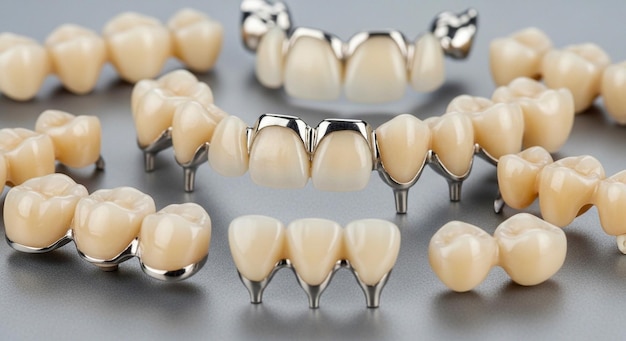
Once the implant is secure, your dentist attaches a crown that looks and works like a natural tooth. Implants are applied widely because they are strong and maintain a healthy jaw.
Is a Dental Implant Right for You?
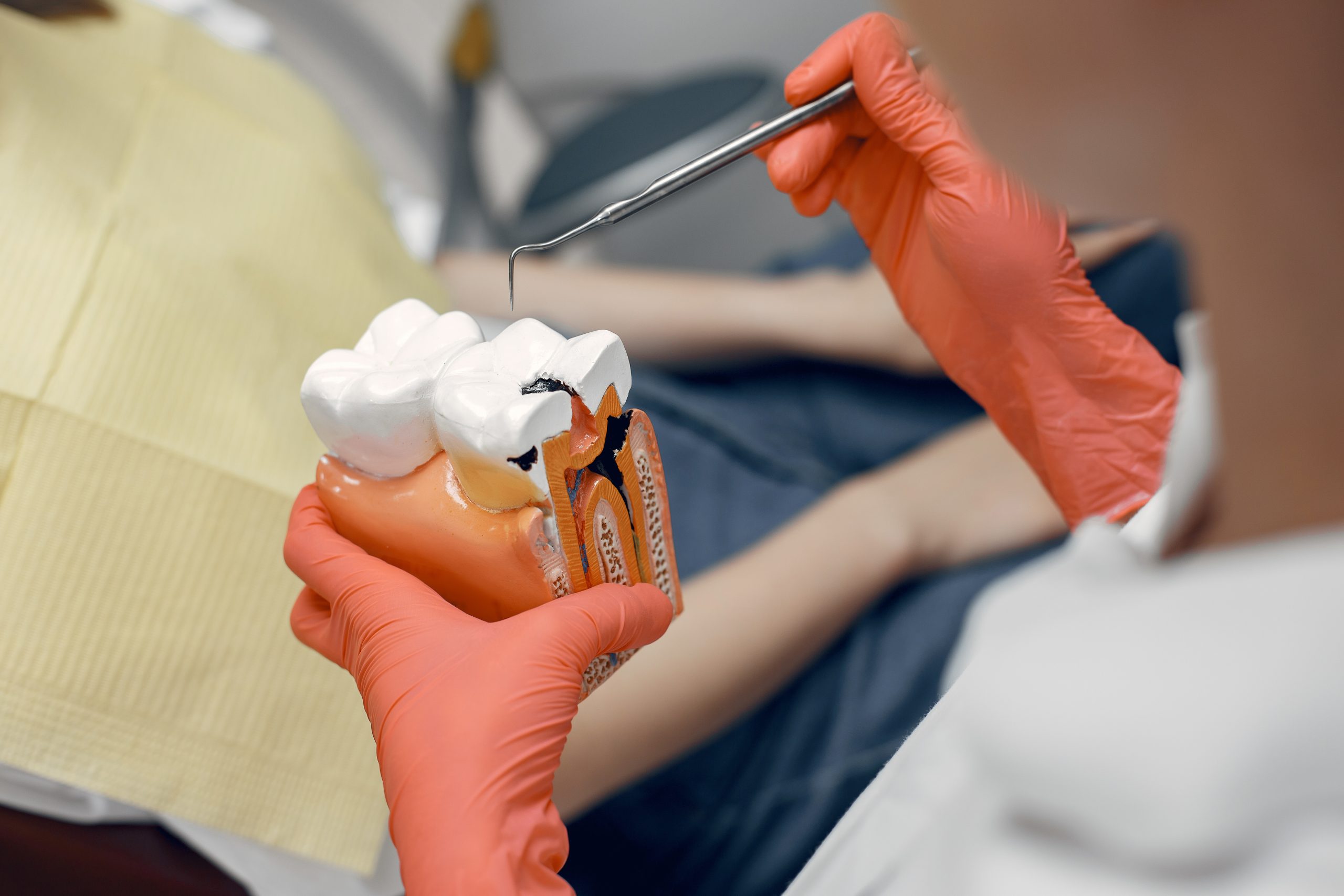
Before an implant, your dentist will examine whether you are a suitable candidate or not. You must have healthy gums and a sufficient jawbone to support the implant. Also, you must be willing to take proper care of your gums and teeth after surgery.
In case you are unsure, consult a dentist near you who can perform X-rays and tests and determine whether dental implants are suitable for you.
What Happens Before the Procedure?
Before your implant procedure, there are some important steps:
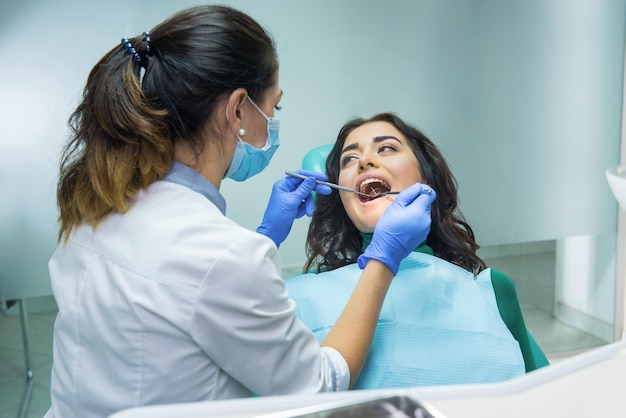
- Consultation: Your dentist will examine your mouth and take X-rays or 3D scans.
- Planning: If you need extra treatments like a bone graft, those will be arranged first.
- Instructions: Your dentist will instruct you on what to do on the day of the procedure, e.g., what to eat and drink and whether you can drive yourself.
What Happens with the Procedure
Here’s what usually happens during dental implant surgery:
- The surrounding area will be numbed so you won’t experience pain.
- Your dentist will drill a small hole in your jawbone to insert the implant.
- You will have healing time after the surgery, which may take a few months. This allows the implant to integrate with your bone.
- Once healed, a connector piece called an abutment is added.
- Last but not least, a crown is placed on top to complete your new tooth.
Understanding Dental Implant Risks and Complications
While dental implants are safe and successful for most people, there are some risks to know about:
- Infection: This can happen at the implant site if bacteria get in during or after surgery.
- Nerve Damage: Sometimes nerves near the implant area can be affected, causing numbness or tingling.
- Implant Failure: Occasionally, the implant does not properly fuse to the bone. This might need further treatment.
- Sinus Problems: For upper jaw implants, the implant could affect your sinus cavity if not placed carefully.
- Bone Loss: If you don’t care for your implant well, bone around it can shrink, causing problems.
A dentist in SW Edmonton will take precautions to lower these risks and will explain what to watch for during healing.
Dental Implant Aftercare Tips
Proper care after your implant surgery helps it heal well and last longer. Here are some helpful tips:
- Rest and avoid heavy activities for a day or two.
- Use cold packs to reduce swelling.
- Stick to soft foods like yogurt and mashed potatoes at first.
- Keep your mouth clean by brushing gently and rinsing with saltwater.
- Avoid smoking and alcohol since they can slow healing.
- Attend all follow-up visits with your dentist to monitor progress.
How Long Does Recovery Take?
Healing varies by person, but usually, the first healing happens in about a week. The implant itself takes 3 to 6 months to fully bond with your jawbone. Your dentist will check regularly to make sure the implant is healing well before putting on the final crown.
When to Contact Your Dentist
If you notice any of these, call your dentist right away:
- Swelling or bleeding that lasts more than two days
- Severe pain that medicine doesn’t help
- Looseness or movement of the implant or crown
- Signs of infection, like pus, fever, or a bad taste in your mouth
- Getting help quickly can prevent bigger problems.
Peace of Mind Through Preparation
Knowing what to expect can make your dental implant journey easier. Following your dentist’s advice and taking care of your mouth will help you get the best results.
Strong Smiles Start with Smart Choices
Your smile is a big part of who you are, and losing a tooth can feel like losing a piece of yourself. But every step you take toward getting a dental implant brings you closer to feeling whole again.
Being prepared, understanding the process, and caring for your new tooth can make a huge difference. Don’t wait until discomfort or embarrassment takes over; take control of your dental health now before small problems become bigger ones.
Reach out to Elevate Dental and start your journey to a healthier, more confident smile today.