
Dental bonding is one of the most inexpensive and efficient methods of repairing and improving your teeth. If you are looking into dental bonding in SW Edmonton, you would be thinking about how long it lasts.
The reality is, bonding can give you years of improvement if you take proper care, but how long it lasts ultimately relies on your lifestyle, oral care, and visits to the dentist.
Visiting a Dentist in SW Edmonton for Bonding
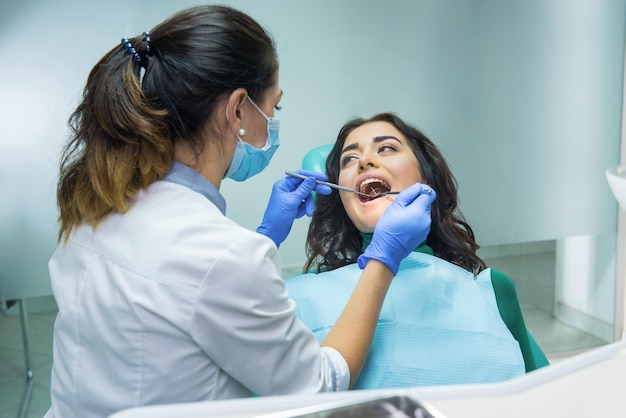
A dentist in SW Edmonton will professionally paint tooth-colored resin to fix chips, gaps, or discoloration. Not only is this treatment fast, it’s also minimally invasive, which is why it’s a best-seller for those looking for a quick and easy smile fix.
Although bonding appears natural, it may not last as long as other alternatives, such as veneers or crowns.
This is why it’s important to talk to your dentist about your goals and lifestyle before you start treatment.
Consult a Dentist Near You for Maintenance
A visit to a dentist near you keeps your bonded teeth in good condition; they can also smooth out the slight wear or even touch up the bonding during check-ups, if necessary.
This regular maintenance can increase the life of the bonding and make your smile look new.
Knowing the Longevity of Dental Bonding
Dental bonding usually lasts between 3 and 10 years. The following things affect how long something lasts:
- Oral habits (grinding teeth, nail biting, chewing ice)
- Diet (hard candies, staining foods such as coffee or red wine)
- Placement of bonding (bonding on anterior teeth can wear more quickly than molars)
Bonding is less pressure-resistant and stain-resistant compared to crowns or veneers, so more caution is needed.
What are the Disadvantages of Dental Bonding
Although dental bonding is not harmful and quite efficient, there are a few cons as well.
- Staining – Composite, such as bonding material, stains more easily than enamel.
- Chipping – Resin is not as strong as natural teeth and can chip if you bite hard objects.
- Longevity issues – Bonding may need repair or replacement sooner than other dental treatments.
However, for those patients who want a budget-friendly fix, bonding is an excellent option.
What are the Tips for Caring for Bonded Teeth
You can extend the life of your bonding by observing these care tips for bonded teeth:
- Brush twice a day with a soft-bristle toothbrush.
- Floss once daily.
- Avoid biting on fingernails, ice, or pens.
- Limit coffee, tea, and smoking to minimize staining.
- Have your dentist touch up or repair your bonding regularly.
With proper care, bonding can last long and save you costs in the future.
Keep Your Smile Safe
Dental bonding can truly transform your teeth — as long as you take care of the bond. If maintained properly, bonding can last longer and help your smile stay beautiful.
At Elevate Dental, we help patients protect and restore their teeth with the help of high-quality bonding. Call us today to set up a consultation and get a smile that will last a lifetime!
FAQs
How long does dental bonding usually last?
Dental bondings usually hold up for anywhere from 3 to 10 years. Its longevity is contingent upon your oral habits, diet and the way that you maintain your teeth. Regular dental appointments can also help prolong its life.
Does dental bonding stain easily?
Yes, that is one of the drawbacks to having dental bonding – it stains more easily than natural enamel. Good oral hygiene habits help to minimize stains.
Can bonded teeth break or chip?
Bonded teeth can chip if exposed to excessive pressure, like chewing ice, biting nails, or grinding teeth. If damage occurs, your dentist can usually repair it quickly.