
When a tooth is missing, it impacts your smile, and more importantly, it impacts your chewing, your speech, and it can even impact the way that you view yourself in public life. Fortunately, there is a tried, tested, and proven solution that modern dentistry has to offer.
If you have been looking for a dentist in SW Edmonton to help you fill a gap in your smile, a dental bridge could be exactly what you need.
This blog explains what a dental bridge is, how it works, and why so many people choose it to restore their smile and their confidence.
What Is a Dental Bridge?
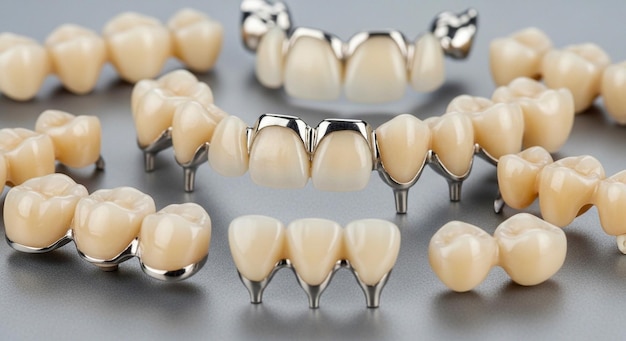
A dental bridge is a fixed restoration that replaces one or more missing teeth. It uses the natural teeth on either side of the gap as anchors, with an artificial tooth—called a “pontic”—sitting in the space between them.
The bridge is cemented permanently in place. You do not remove it at night or take it out to clean it. It stays in your mouth and works just like a natural tooth—letting you eat, talk, and smile without thinking about the gap.
Understanding how a dental bridge works comes down to one simple idea: the bridge borrows strength from the teeth around the gap to hold a new tooth in place.
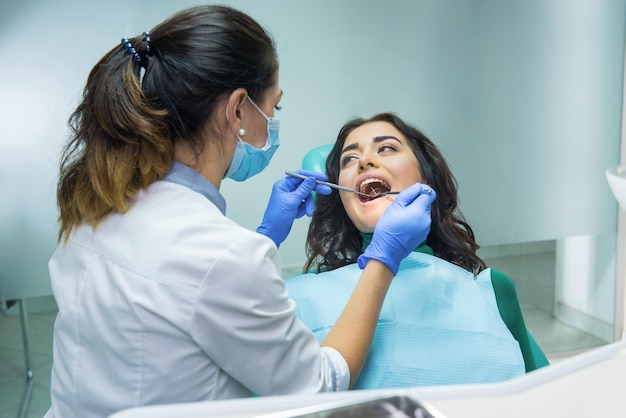
If you have been searching for dental bridges in SW Edmonton, the process usually takes two appointments. At the first visit, the anchor teeth are shaped, and a mould of your mouth is taken. A temporary bridge is placed while your permanent one is made at a dental lab. At the second visit, the permanent bridge is fitted and cemented in place.
How Do Dental Bridges Restore Missing Teeth?
When people ask, “How do dental bridges restore missing teeth?” the answer goes beyond just filling a visible gap.
A missing tooth leaves a space where the root used to be. Over time, the teeth next to that space begin to lean in. The tooth above or below the gap may shift out of position, too. The jawbone in that area can slowly shrink because there is no root to stimulate it. These changes are gradual, but they add up—affecting your bite, your appearance, and the long-term health of your other teeth.
A dental bridge stops all of that from happening. It fills the space, keeps the surrounding teeth in their correct positions, and restores balance to your bite.
How Dental Bridges Improve Your Smile
One of the biggest reasons patients choose a bridge is how natural the result looks. Modern bridges — especially those made from porcelain or ceramic — are designed to match the colour, shape, and size of your surrounding teeth. Most people cannot tell the difference between a well-made bridge and a natural tooth.
Understanding how dental bridges improve your smile will help you recognize the confidence that comes with it. The more you get rid of the visible gap, the more you are free to laugh and to eat whatever you want and to speak whatever you think. This is a concrete difference, which makes a real difference.
Who Is a Good Candidate for a Dental Bridge?
A dentist near you may recommend a bridge when:
- One or more teeth in a row are missing
- The teeth on either side of the gap are healthy and strong enough to support the bridge
- You want a fixed restoration that does not require surgery
- You are looking for a quicker solution than dental implants
- You want a result that looks completely natural
It is not suitable for everyone. If the anchor teeth are not healthy, or if significant bone loss has occurred, other options may be more appropriate. A proper dental assessment will give you a clear answer.
Types of Dental Bridges
There are a few different kinds of bridges. The right one depends on your situation.
Traditional Bridge
The most common type. Crowns are placed on the teeth on both sides of the gap, and the artificial tooth is attached between them. It is strong, reliable, and works well for most patients.
Cantilever Bridge
When only one tooth is available next to the missing tooth space. The artificial tooth has a single support only. Used less frequently and not advocated for in heavy chewing areas.
Maryland Bridge
A gentler option where the artificial tooth is held in place by small wings bonded to the backs of the neighbouring teeth. No reshaping of those teeth is needed. It works best for front teeth.
Implant-Supported Bridge
This type uses dental implants in the jawbone instead of natural teeth as anchors. It is the strongest and most long-lasting option, though it requires a surgical procedure.
How to Look After Your Bridge
A bridge does not need complicated care. Simple, consistent habits are all it takes.
- Brush twice a day with a soft toothbrush, cleaning around the bridge carefully
- Use a floss threader or water flosser to clean underneath the bridge—regular floss cannot reach this area
- Rinse with an antibacterial mouthwash daily
- Avoid chewing on very hard foods like ice or hard sweets
- Visit your dental bridge near you provider regularly for check-ups and professional cleaning
With good care, a dental bridge can last between 10 and 15 years — sometimes longer.
Your Smile Deserves to Feel Complete — Visit Elevate Dental
A missing tooth is not something you have to live with. A dental bridge is a simple, proven way to restore your smile, your bite, and your confidence—without surgery and without a long recovery.
At Elevate Dental, the team is dedicated to helping every patient feel proud of their smile again. Whether you are just starting to explore your options or you are ready to take the next step, book your consultation today and find out whether a dental bridge is the right choice for you.
Frequently Asked Questions
Q1: Is having a dental bridge fitted painful?
The procedure is carried out using a local anesthetic, numbing the tooth and the surrounding area completely. Most people feel no more than a little pressure during the fitting process. In the days after the fitting procedure, some discomfort may be felt, but this is a normal response that should not last.
Q2: How long does it take to get used to a dental bridge?
Most people adjust within a few days. The bridge may feel slightly different at first, but this settles quickly as your mouth gets used to it.
Q3: Can I eat normally with a dental bridge?
Yes. Once the permanent bridge is in place and you have adjusted, you can eat most foods comfortably. It is best to avoid very hard or sticky foods that could put extra stress on the bridge.
Q4: Is a dental bridge better than a dental implant?
Both are good options and suit different situations. A bridge does not require surgery and is completed faster. An implant replaces the root of the tooth and does not involve the neighbouring teeth. Your dentist can help you decide which is the better fit based on your oral health and personal needs.