
Many people notice a small space between their teeth when they smile. This space is called a gap. The medical term for a gap between teeth is diastema. Some people like their gap, but others want to close it. A common question is: Can dental bonding close small gaps? The simple answer is yes, in many cases it can. If someone is thinking about this treatment, a dentist in SW Edmonton can examine the teeth and explain the best option to improve the smile safely and effectively.
What Is Dental Bonding?
Dental bonding is a cosmetic dental procedure. During this treatment, a dentist places a tooth-colored material called composite resin on the tooth surface. This material is soft at first. The dentist shapes it carefully to match the natural tooth. Then a special curing light is used to harden the resin.
After the material becomes hard, it is polished so it looks smooth and natural. The goal is to improve the shape, size, or colour of the tooth.
Dental bonding is often used to:
- Repair chipped teeth
- Fix cracked teeth
- Cover stains
- Change tooth shape
- Close small gaps
Can Dental Bonding Close Small Gaps?
Yes, dental bonding in SW Edmonton can close small gaps. Bonding works best for small to moderate spaces between teeth.
The dentist adds composite resin to one or both teeth next to the gap. The teeth become slightly wider, and the space becomes smaller or fully closed. The result usually looks natural when done by a skilled dentist.
This treatment is simple and usually done in one visit. Most patients do not need anesthesia unless there is decay or sensitivity.
Dental Bonding for Front Teeth Gap
A gap between the two front teeth is very common. Many people search for dental bonding for front teeth gap because the front teeth are easy to see when talking or smiling.
Bonding is a popular choice for front teeth because:
- It is quick.
- It is less expensive than veneers or braces.
- It does not require removing much enamel.
- The results can be seen right away.
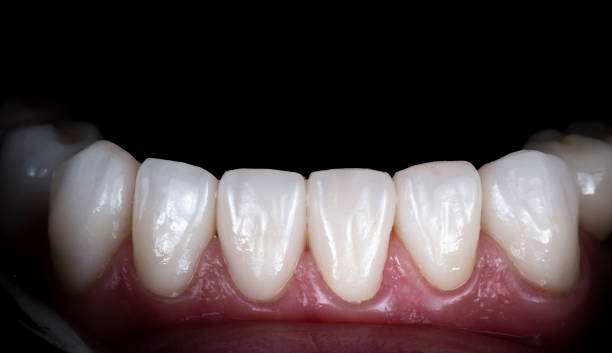
The dentist matches the resin colour to the natural shade of the teeth. This helps the bonding blend in. Good polishing also helps the surface look smooth and shiny.
Is Dental Bonding Good for Large Gaps?
Another important question is: Is dental bonding good for large gaps?
Bonding is best for small gaps. For large gaps, bonding may not always be the best option. If too much resin is added, the teeth may look too wide or unnatural. It can also affect the bite.
In cases of large spaces, the dentist may suggest:
- Orthodontic treatment, such as braces or clear aligners
- Porcelain veneers
- Crowns in some cases
A full dental exam is needed to decide the right treatment. X-rays and bite checks help the dentist understand the cause of the gap.
How Long Does Dental Bonding Last?
Dental bonding is strong, but it is not as strong as natural enamel or porcelain. On average, bonding can last 3 to 10 years. The life of bonding depends on:
- Oral hygiene
- Eating habits
- Teeth grinding (bruxism)
- Regular dental visits
Avoid biting hard objects like ice or pens. Good brushing and flossing help protect the bonding material.
Benefits of Dental Bonding
Dental bonding has many benefits:
- Fast treatment
- Usually completed in one visit.
- Less expensive than veneers
- Minimal removal of enamel
- Natural-looking results
It is a simple cosmetic solution for people who want to improve their smile without major dental work.
Are There Any Risks?
Dental bonding is safe when done by a trained dentist. However, there are a few limits:
- Resin can stain over time from coffee, tea, or smoking.
- It may chip if too much pressure is placed on it.
- It may need repair or replacement in the future.
Regular checkups with a dentist near you help keep the bonding in good condition.
How to Find Dental Bonding Near You
If someone is thinking about dental bonding near you, it is important to choose an experienced dentist. Look for a dental clinic that offers cosmetic services and has good patient reviews.
A consultation allows the dentist to examine the teeth and discuss goals. The dentist will explain if bonding is the right option or if another treatment may give better results.
Is Dental Bonding the Right Choice?
Dental bonding is a good option for small gaps, especially in front teeth. It is quick, simple, and reasonable. However, large gaps or bite problems may require orthodontic care.
A professional exam is the best way to decide. A skilled dentist can explain the benefits and limits of bonding in clear and simple terms.
Transform Your Smile with Dental Bonding!
At Elevate Dental, we provide professional dental bonding to improve chipped teeth, small gaps, and uneven edges. We use composite resin that is carefully applied and shaped to match the natural color of your teeth. This cosmetic procedure is simple and usually completed in one visit. Our goal is to restore tooth shape and improve your smile safely and effectively.
Book your visit at Elevate Dental today. Call us now to schedule your consultation.
FAQ
Can dental bonding close small gaps permanently?
Dental bonding can close small gaps, but it may not be permanent. It can last many years with good care, but it may need repair or replacement over time.
Is dental bonding painful?
Dental bonding is usually not painful. Most patients do not need anesthesia unless there is tooth decay or sensitivity.
How long does dental bonding take?
The procedure usually takes 30 to 60 minutes per tooth. Many cases are completed in one visit.
Is dental bonding good for large gaps?
Bonding is better for small to moderate gaps. Large gaps may need braces, aligners, or veneers.
How do I find a dentist near you for dental bonding?
Search for a trusted dentist near you who offers cosmetic dentistry. Schedule a consultation to learn if dental bonding is the right choice for your smile.