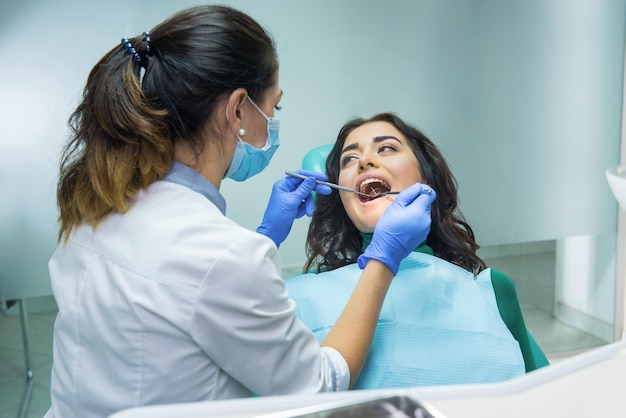


Dental care can be hard to afford without private dental insurance. The Canadian Dental Care Plan (CDCP) helps eligible Canadian residents pay for some dental services. A dental clinic in SW Edmonton can provide dental care and explain what to expect during your visit. The CDCP may cover some treatments, but it does not pay for every dental service or the full cost of every treatment.
Canadian Dental Care Plan in SW Edmonton may help eligible patients get covered dental services and lower some of their treatment costs. Learning about the program’s eligibility rules, covered services, and possible extra costs can help you plan for your dental visit and avoid unexpected expenses.
Who Qualifies for the Canadian Dental Care Plan?
Applicants generally need to meet four main requirements:
- Have no access to private dental insurance
- Have filed a Canadian tax return for the previous year
- Have an adjusted family net income of less than $90,000
- Be a Canadian resident for tax purposes.
Private dental coverage may include insurance through an employer, pension plan, family member, professional organization, or another source. Eligibility requirements also need to be met when renewing CDCP coverage.
Is the CDCP Only for Seniors?
No. CDCP for seniors is an important part of the program, but age alone does not determine eligibility. Eligible adults and children may also receive benefits when they meet the program requirements.
Your income, Canadian residency, tax filing, and private dental insurance can affect whether you qualify. Seniors may get dental coverage through the CDCP if they meet the program’s requirements.
What Does the Canadian Dental Care Plan Cover?
Canadian Dental Care Plan coverage can include several preventive, basic, and major dental services when they meet the program’s rules.
Covered services may include:
- Dental examinations
- X-rays
- Teeth cleaning and scaling.
- Fluoride treatments
- Sealants
- Fillings
- Root canal treatment
- Some gum treatments
- Treatment for certain dental infections
- Repairs to crowns
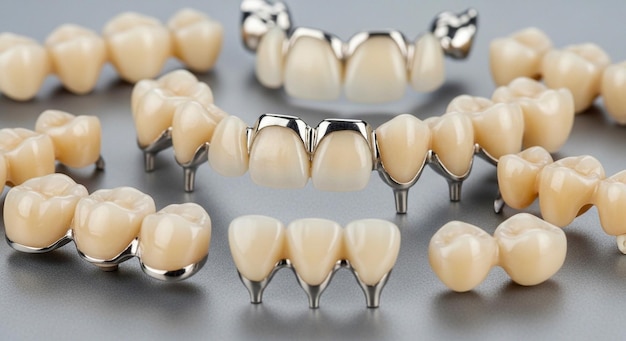
- Crowns in eligible cases
Some treatments require preauthorization before they can be covered. Coverage can also depend on the specific service and the patient’s individual situation.
Does the CDCP Pay the Full Dental Cost?
The CDCP benefit does not necessarily cover the entire cost of every dental service. The amount covered depends on factors such as adjusted family net income and the established CDCP fee for the service.
Patients may still have to pay part of the cost when:
- The treatment is only partly covered.
- The dental provider charges more than the CDCP established fee.
- The service is not covered.
- Additional services are needed.
It is important to ask about possible costs before treatment begins.
How Can Patients Prepare for a CDCP Dental Visit?
Before booking an appointment, check that the dentist who accepts CDCP is participating in the program. It is also helpful to confirm that CDCP coverage is active.
Before the visit, consider:
- Having CDCP member information available
- Checking the expected co-payment
- Asking which services are covered
- Asking whether preauthorization is needed
- Confirming whether additional charges may apply
- Discussing the expected cost before treatment
These steps can make it easier to understand what the CDCP may pay and what amount may remain to be paid.
Can Patients Choose Any Dental Provider?
CDCP participation is voluntary for dental providers. When searching for a dental clinic near you, confirm that the dental provider accepts CDCP patients before scheduling treatment.
It is also useful to ask whether the provider can explain the expected CDCP coverage and any costs that may not be included. This can help avoid surprises when receiving treatment.
What Should Seniors Know About CDCP?
Seniors who meet the eligibility requirements may receive coverage for several types of dental care. These may include examinations, cleanings, fillings, root canal treatment, certain gum treatments, and some major dental services.
CDCP for seniors does not mean that every dental treatment is automatically covered. Coverage depends on the treatment, CDCP rules, income level, and other factors.
What Should Be Checked Before Treatment?
Before receiving dental care, confirm what the plan covers and whether preauthorization is required. Some services may have specific conditions that need to be met before they are covered.
Canadian Dental Care Plan in SW Edmonton can provide access to eligible dental services, but patients should still confirm their coverage before treatment.
A dental provider can also explain the planned treatment and discuss any amount that may need to be paid separately.
Understand Your CDCP Benefits Before Treatment!
The Canadian Dental Care Plan can help eligible residents access a range of dental services, but coverage depends on eligibility requirements, treatment type, income level, and provider fees. Understanding these details before treatment can make it easier to plan for dental care and possible out-of-pocket costs. Elevate Dental can explain available treatment options, help clarify expected costs, and provide care based on individual dental needs.
Book your appointment to discuss your CDCP benefits, dental needs, and available treatment options.
FAQs
Does the CDCP cover emergency dental care?
The CDCP may help pay for some emergency dental services if they are covered by the program. Coverage depends on the treatment you need and whether you qualify for the CDCP.
Are crowns covered under the CDCP?
Crowns may be covered in eligible cases, but certain major services require preauthorization. Coverage is not automatic for every crown.
Can children qualify for the Canadian Dental Care Plan?
Yes. Children may qualify when the required eligibility conditions are met. Age alone does not determine whether someone qualifies.
Does CDCP coverage continue automatically every year?
No. CDCP members need to renew their coverage and continue to meet the program’s eligibility requirements for the new benefit period.