
You just had a root canal. You expected the pain to go away completely. Instead, you bite down or drink a glass of water, and you feel a sharp twinge. Is something wrong? Did the treatment fail? Do not panic. It is very common to ask whether tooth sensitivity after root canal treatment is normal. The short answer is yes. Even though the nerve inside the tooth is gone, the area around the tooth still needs time to heal. If you have recently received treatment at a dental clinic in SW Edmonton, understanding the healing process can help ease concerns and support a smoother recovery.
Here is a simple guide from a dental professional to help you understand exactly what is happening inside your mouth.
What Happens During Root Canal Therapy?
To understand the sensitivity, you need to know what happens during root canal therapy near you.
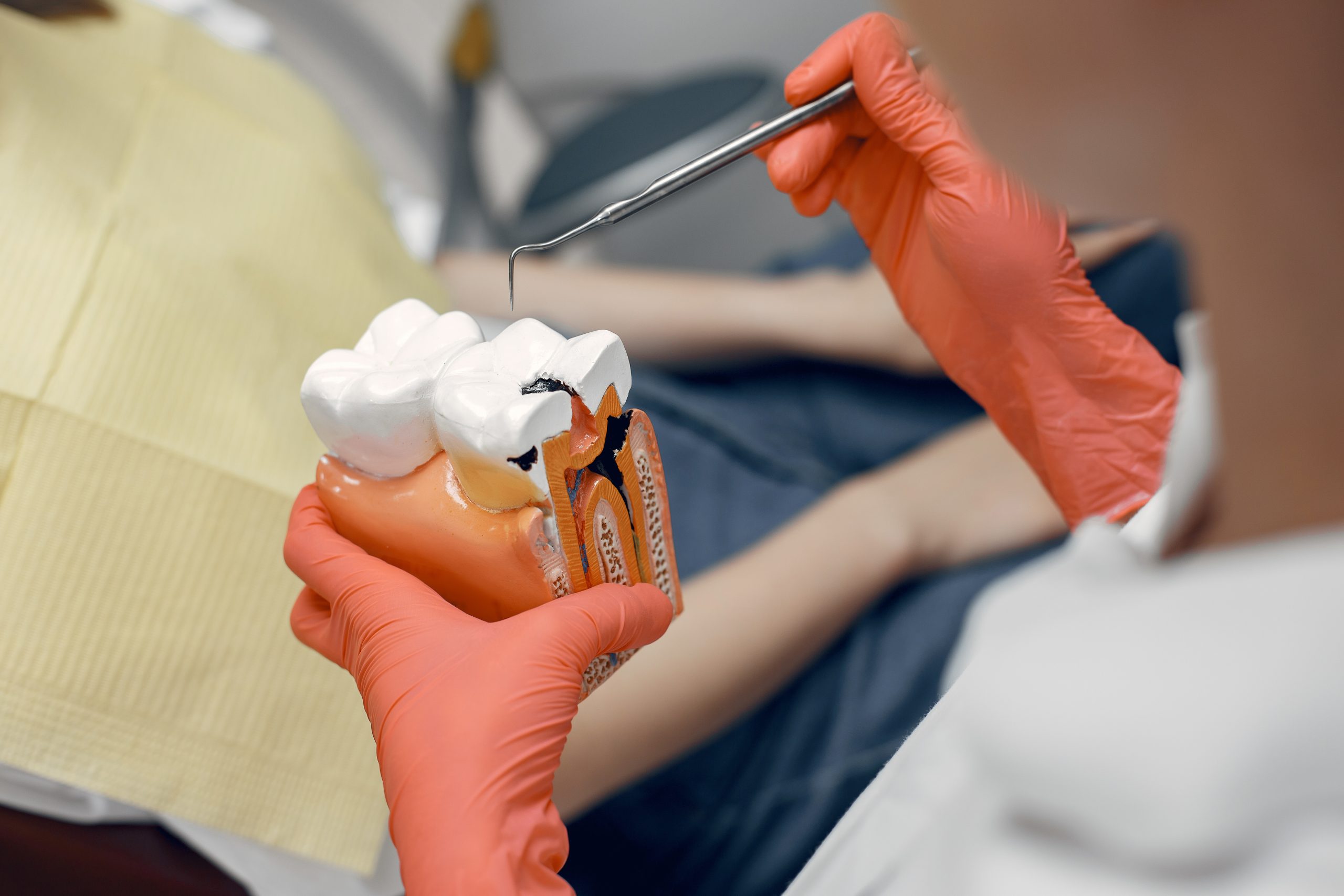
Your tooth has layers. The hard, white outer part is enamel. Inside the tooth is a soft tissue called pulp. The pulp contains blood vessels and nerves. When bacteria enter this area due to a deep cavity or a crack, the pulp becomes infected.
During the treatment, the dentist removes the infected pulp, cleans the space, and seals it. Because the main nerve is removed, the tooth itself can no longer feel hot or cold.
Why Does the Tooth Still Feel Sensitive?
If the nerve is gone, why do you still feel discomfort? There are main reasons for this:
1. Inflammation in the Periapical Tissue
The root of your tooth sits inside a socket in your jawbone. Around the root is a tiny cushion called the periodontal ligament. During cleaning, dental instruments can slightly irritate the periapical tissue (the tissue around the root tip). This area becomes inflamed and swollen, just like a bruised ankle. When you bite down, it compresses the bruised tissue, causing pain.
2. Tissue Damage from the Infection
Before you visited the dental clinic, the infection was likely putting pressure on the bone and gums. Even though the dentist removed the bacteria, your body still needs time to heal the damage caused by the original infection.
3. High Bite or Temporary Filling
After the treatment, the dentist places a temporary filling to protect the tooth. If this filling is a fraction of a millimetre too high, your top and bottom teeth will hit it first when you chew. This extra pressure keeps the tissue irritated.
4. Healing After a Deep Infection
Some teeth need root canal therapy in SW Edmonton because the infection has been present for a long time. In these cases, the tissues around the tooth root may be significantly inflamed before treatment begins. Even after the infection is removed, the body’s healing process continues. As tissues repair, the tooth may remain sensitive for several days or even a few weeks.
5. Stress on the Tooth During Treatment
During a root canal treatment, the dentist carefully cleans the inside of the tooth using special dental tools to remove infection and bacteria. While this treatment helps protect the tooth, the tissues around the root can become slightly irritated during the process. Because of this, the tooth may feel tender or sore when you bite down or chew. This type of sensitivity is usually temporary and gradually gets better as the area heals.
Important Aftercare Tips for Root Canal Treatment
Proper healing requires good habits at home. Following these aftercare tips for root canal treatment will speed up your recovery:
- Take your medication: Use the pain relievers your dentist recommended. These medicines reduce inflammation in the bone and gums.
- Keep the area clean: Brush and floss your teeth gently. Keeping bacteria away prevents secondary infections.
- Rest the tooth: Try chewing on the opposite side of your mouth until the permanent crown is placed.
Foods to Avoid After a Root Canal
Your tooth is weak and brittle right now. To prevent cracks and reduce pain, here are the foods to avoid after root canal:
- Hard foods: Nuts, ice, and hard candies can break the temporary filling.
- Sticky foods: Gum, caramel, and taffy can pull the temporary filling right out of the tooth.
- Crunchy foods: Chips and raw vegetables can poke the sensitive gum tissue.
- Very hot or very cold items: While the tooth cannot feel temperature, the surrounding gums still can.
When to Contact a Dental Clinic Near You
Minor sensitivity should fade within a few days to a week. However, you should call a dental clinic if you experience:
- Severe pain that gets worse over time.
- Visible swelling inside your mouth or on your face.
- A temporary filling that falls out completely.
If you are looking for professional care, search for root canal therapy near you or visit a trusted dental clinic near you to ensure your tooth heals perfectly.
Preserve Your Tooth with Root Canal Therapy
At Elevate Dental, we provide root canal therapy to help save teeth affected by deep decay or infection. This treatment removes infected pulp, cleans the root canals and helps protect your natural tooth. Our team focuses on comfortable care and long-term oral health. Treating the problem early can help prevent tooth loss and reduce pain. Contact us today to learn more about root canal therapy.
FAQs
Why does the tooth hurt when biting down?
Post-root canal soreness is totally normal. Because the tissues around the root are still healing, biting down applies pressure to a sensitive area. Give it a little time; it will fade.
Can a root canal fail?
Yes, a root canal can sometimes fail if bacteria remain inside the tooth, a new infection develops, or the restoration becomes damaged. A dentist can evaluate the tooth and recommend further treatment.
Can anesthesia cause soreness after the procedure?
Yes. The injection site where the dentist numbed the gum can remain sore and tender for a few days after the numbness wears off.
Is Tooth Sensitivity Normal After Root Canal Treatment?
Yes mild tooth sensitivity after a root canal treatment is normal. The tissues around the tooth root may still be healing and inflamed. Most sensitivity gradually improves within several days or weeks.