
Having a complete set of teeth is essential for eating, speaking, and feeling confident. When a tooth is lost due to an injury or a large cavity, it leaves behind a gap that can cause the remaining teeth to shift out of place. Many people choose dental bridges in SW Edmonton to fill these gaps and maintain their jaw’s health. A bridge acts as a permanent replacement that stays locked in place, helping a person chew normally and smile without hesitation.
How a Bridge Works to Fix Your Smile
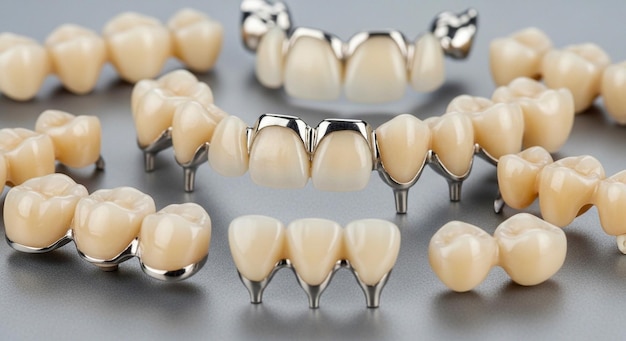
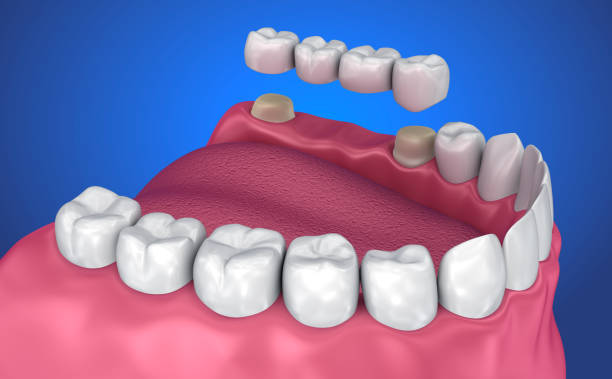
A dental bridge is a custom-made artificial tooth that is held in place by the healthy teeth on either side of a gap. Think of it like a real bridge over a river; it needs strong supports on both ends to stay sturdy. When visiting a dentist in SW Edmonton, a patient will learn how these restorations are crafted to match the exact colour and shape of their natural teeth. Because the bridge is bonded into position, it feels excellent and does not come out like a removable plate might.
Signs You Might Need a Replacement
If a person already has a bridge, it is essential to check it regularly for wear and tear. Over time, the materials can age, or the teeth supporting the bridge can change. There are several signs you may need a dental bridge replacement that a person should watch for at home.
- Sensitivity or Pain: A sharp pinch when biting down or drinking cold water may indicate the bridge is no longer fitting tightly.
- Loose Movement: A bridge should never wiggle; if it feels unstable, the medical glue holding it might be washing away.
- Cracks or Chips: Seeing a small break in the porcelain surface can lead to bigger problems if food gets trapped in the crack.
- Receding Gums: If the gum line pulls away from the bridge, it creates a dark space where bacteria can hide and cause decay.
Noticing these changes early allows a person to fix the issue before the underlying teeth get damaged. Scheduling an appointment at a dental clinic near you ensures that a professional can evaluate the strength of the restoration.
The Big Benefits of Replacing Missing Teeth
Leaving a gap in the mouth might seem like a minor issue, but it can lead to more significant changes in the face and jaw. Understanding the benefits of dental bridges for missing teeth helps a person see why taking action is a smart move for long-term health.
- Easier Eating: A bridge restores the ability to bite into crunchy apples or chewy snacks without relying on only one side of the mouth.
- Clear Speech: Certain sounds require the tongue to press against the teeth; filling a gap helps a person speak clearly and naturally.
- Preventing Drifting: Without a tooth in the middle, the neighbouring teeth often lean into the gap, disrupting the bite’s alignment.
- Maintaining Face Shape: Teeth help support facial muscles. A bridge keeps the cheeks from looking sunken or hollow.
What to Expect During the Visit
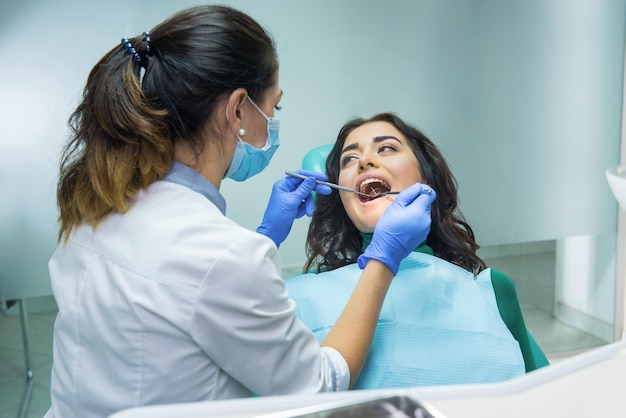
Getting a bridge usually requires two appointments. First, the dentist prepares the teeth on either side of the gap by shaping them so the bridge can fit over the top. A mould or a digital scan is taken to make sure the bridge is a perfect fit for the mouth. While the permanent one is being made in a lab, a person often wears a temporary cap to protect the area.
During the second visit, the final piece is polished and cemented into place. Most patients find that dental bridges near you look so natural that their friends cannot even tell which tooth is the replacement. Once the bridge is set, the mouth feels full and strong again.
Keeping Your Bridge in Great Shape
A bridge requires the same care as natural teeth, if not a little bit more. Since the artificial tooth is connected to the ones next to it, a person cannot simply pull floss down between them. Using a special tool called a floss threader allows a person to clean underneath the bridge. This thorough cleaning prevents plaque from building up near the gums, which is the most common reason bridges fail.
Regular checkups are also a significant part of the plan. Finding dental bridges that are checked twice a year by a professional ensures that any tiny problems are caught before they turn into a toothache. With excellent hygiene and careful eating habits, a bridge can provide a beautiful smile for many, many years.
Your First Step Toward a Renewed Smile
Taking the first step toward a healthy mouth is a great way to boost your confidence and your health. If you are curious about your options or need a professional to check your current bridge, our friendly team at Elevate Dental is here to support you. A strong and beautiful smile is a lifelong asset, and the proper care makes all the difference.
Frequently Asked Questions
How do I know if a dental bridge is the right solution for my missing teeth?
A bridge is often a great choice if the teeth on either side of a gap are healthy and strong enough to support a replacement. A dentist will take X-rays to check the bone and roots to ensure the foundation is solid before starting the procedure.
How long do dental bridges usually last with proper care?
Most bridges stay in excellent condition for 5 to 15 years, and some even last longer. The lifespan depends mostly on how well a person brushes and flosses, as well as avoiding habits like chewing on ice or hard pens.
Is getting a dental bridge a painful procedure?
The process is very comfortable because the dentist numbs the area thoroughly before starting any work. A person might feel some mild pressure during the appointment, and the teeth may be a little sensitive for a few days afterward, but this quickly fades.
How should I care for my dental bridge to keep it in good condition?
It is essential to brush twice a day and use a floss threader to clean the space between the bridge and the gums. Avoiding very sticky candies or tough foods also prevents the bridge from chipping or coming loose.