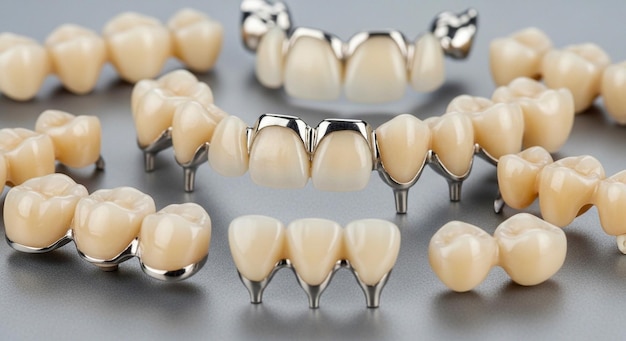


Dental crowns are an effective solution for any damaged or weakened teeth. They can protect your tooth, improve your bite, and enhance your smile, but crowns have disadvantages like any dental procedure.
When considering dental crowns in SW Edmonton, you should know the benefits and risks. In this blog, we have covered a few drawbacks to help you understand if dental crowns are the right solution for you.
What are the Major Drawbacks of Dental Crowns
Crowns Always Require Tooth Removal for Fit
Before inserting a crown, your dentist will need to shape or file down your natural tooth, which entails removing a portion of your original tooth to make room for the crown. Once you have a crown, you can never return to your natural tooth.
A dentist in SW Edmonton will only propose a dental crown if the tooth has little structure left for restoration (such as a filling) or if it has been damaged by decay (cavity) or a break.
When there is little structure left, a dental crown is usually the safest way to protect the remaining tooth structure.
Tooth Sensitivity is Common After Placement
Tooth sensitivity is a fairly common consequence of dental crown placement for some people.
Some people experience unmistakable, sharp pain when eating hot, cold, and/or sweet foods or drinks following the placement of their dental crown, especially immediately after.
The tooth sensitivity is often the result of three common factors:
- The nerve of the tooth remains sensitive.
- The bite of the crown is high or close to the nerve of the tooth.
- There is a small space between the crown and the gum.
The sensitivity usually subsides within a few days to a few weeks, but if it worsens or persists, you should visit a dentist near you to discuss the adjustment (if the crown bites high) and inspect the gaps between the tooth and crown.
Crowns Can Have Complications Over Time
Crowns are strong, but they are not perfect. Like any dental work, they can sometimes cause problems later.
Common dental crown complications include:
- Chipping or cracking the crown (especially porcelain types)
- Decay under the crown if not sealed properly
- Gum irritation or inflammation
- Crown loosening due to wear or sticky foods
- Allergic reactions (rare, usually with metal crowns)
The best way to avoid these issues is to maintain good oral hygiene and visit a dentist regularly.
A Poor Fit Can Cause Discomfort
If a crown does not fit the tooth properly, it can cause chewing, biting, and jaw pain. When you seal your mouth, you may have the sensation that something isn’t quite right.
This problem can also cause food to become caught between the crown and adjacent teeth. Over time, this can result in plaque accumulation, cavities, and gum troubles.
If you experience this type of discomfort, your dentist in SW Edmonton can make minor changes or replace the crown as necessary.
Crowns Don’t Last Forever
Crowns are durable but not permanent. Most last 10-15 years but may wear out quicker due to grinding, poor oral care, or eating hard foods.
This means you will likely have to replace a crown at least once in your life. Some patients feel anxious about having repeat procedures and the costs associated with future dental work.
Visiting a dentist can help you get the aftercare tips to maximize the lifespan of your crowns.
Are There Any Alternatives to Dental Crowns?
Dental crowns aren’t the only option available. If the tooth isn’t too damaged, consider using other alternatives to save the crown.
Alternatives to Crowns:
- Dental fillings – For small to medium cavities
- Onlays or inlays – Fit into the tooth like puzzle pieces, used for moderate damage
- Veneers – Best for front teeth that need cosmetic help, not strength
- Bonding – It is a quick fix for chips and slight cracks.
Your dentist in SW Edmonton will explain to you whether or not a crown is suitable in your case or if any of these less invasive options will be right.
Why Dental Crowns Are Still Worth Considering
Despite the drawbacks, dental crowns are a great aid, as they can
- Strengthen a weakened tooth
- Save a tooth that would need to be extracted
- Improve chewing and comfort
- Beautify your smile
The main thing is to find a skilled dentist who can explain the pros and cons and help you make the right decision.
Are Dental Crowns Right for All?
Dental crowns can treat many dental problems, but they are not for everyone. It is extremely important to understand potential issues like sensitivity, wear and fit when considering alternatives that meet your dental needs.
If you don’t know if a dental crown technique is the best treatment for you, we can help you understand the process at Elevate Dental.
Schedule your visit today and be ready to make the best decision for your smile!!